Most farmers in Kutch either over-irrigate or under-irrigate — often both in the same season at different stages. The crop sends clear signals. You just need to know when to listen.
Cotton irrigation — the 5 critical windows
- Germination (Day 0–10): Light irrigation only. The soil must not be waterlogged — avoid heavy flooding that causes soil crust formation.
- Square formation (Day 35–45): First critical stage. Water stress causes square shedding — once shed, that position on the plant produces no boll.
- Flowering (Day 55–65): Second critical stage. Moisture stress during flowering directly reduces boll set percentage. This irrigation most determines your final boll count.
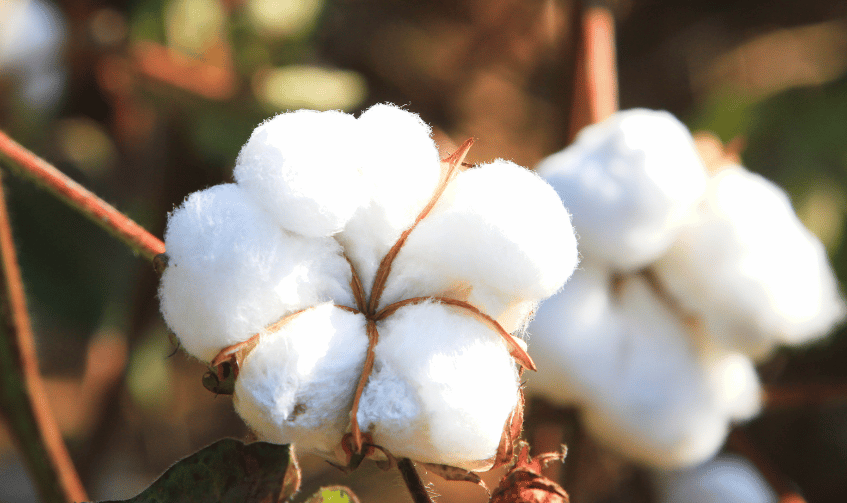
- Boll development (Day 70–90): Third critical stage. Water stress here produces underdeveloped, low-weight bolls that reduce lint quality and price.
- Pre-harvest (Day 100–120): STOP irrigation 3–4 weeks before harvest. Late-stage irrigation delays boll opening, increases disease, and reduces lint quality.
The most costly cotton irrigation mistake: continuing to irrigate after Day 100. Late water delays harvest by 1–2 weeks, reduces lint grade, and increases grey mould disease. Stop early and let the plant dry down naturally.
Groundnut irrigation — the 3 windows that matter most
- Flowering (Day 35–40): The plant is setting flowers that become pegs. Water stress here reduces flower count and peg formation — direct impact on final pod count.
- Pegging and pod initiation (Day 45–60): Most critical stage. The peg enters the soil and begins forming a pod. Soil must be moist but well-aerated. Compacted dry soil physically prevents peg penetration — lost pods cannot be recovered.
- Pod filling (Day 75–95): Kernel weight is building. Water stress here directly reduces kernel size and oil content. One missed irrigation during this window costs 10–15% of final yield.
How to know your crop stage accurately
Count the days from sowing. Keep the sowing date written — most irrigation mistakes happen because farmers lose track of exactly when they sowed and misjudge the crop stage by visual appearance alone. In cotton, square formation is visible as small triangular bracts in leaf axils. Combine visual markers with day count for reliable stage identification.
Drip vs flood irrigation — S2H’s recommendation
For cotton and groundnut under Kutch conditions, drip irrigation with stage-wise scheduling outperforms flood irrigation by 20–30% water efficiency and 10–15% yield improvement. For farmers on flood irrigation, the most impactful zero-cost change is stopping irrigation at the right time — particularly the pre-harvest water cutoff in cotton.