
Home » Anubhav Crop Show » Anubhav 2026
Anubhav Crop Show 2026
- Jan 2026
- Kukma, Bhuj, Kutch, Gujarat
- Jan 2026
- Kukma, Bhuj, Kutch, Gujarat
About This Edition
2026 — The Biggest Anubhav in History
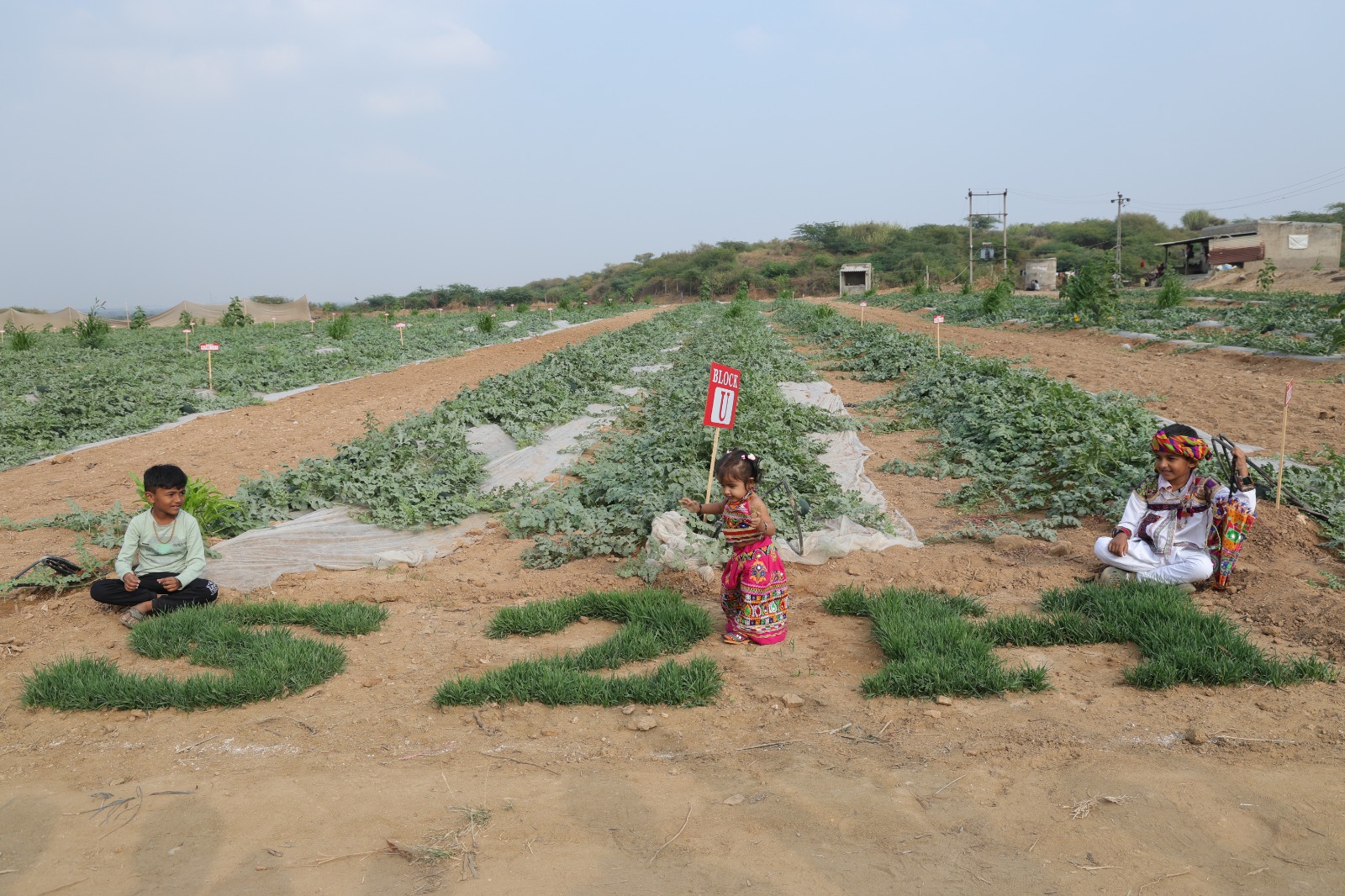
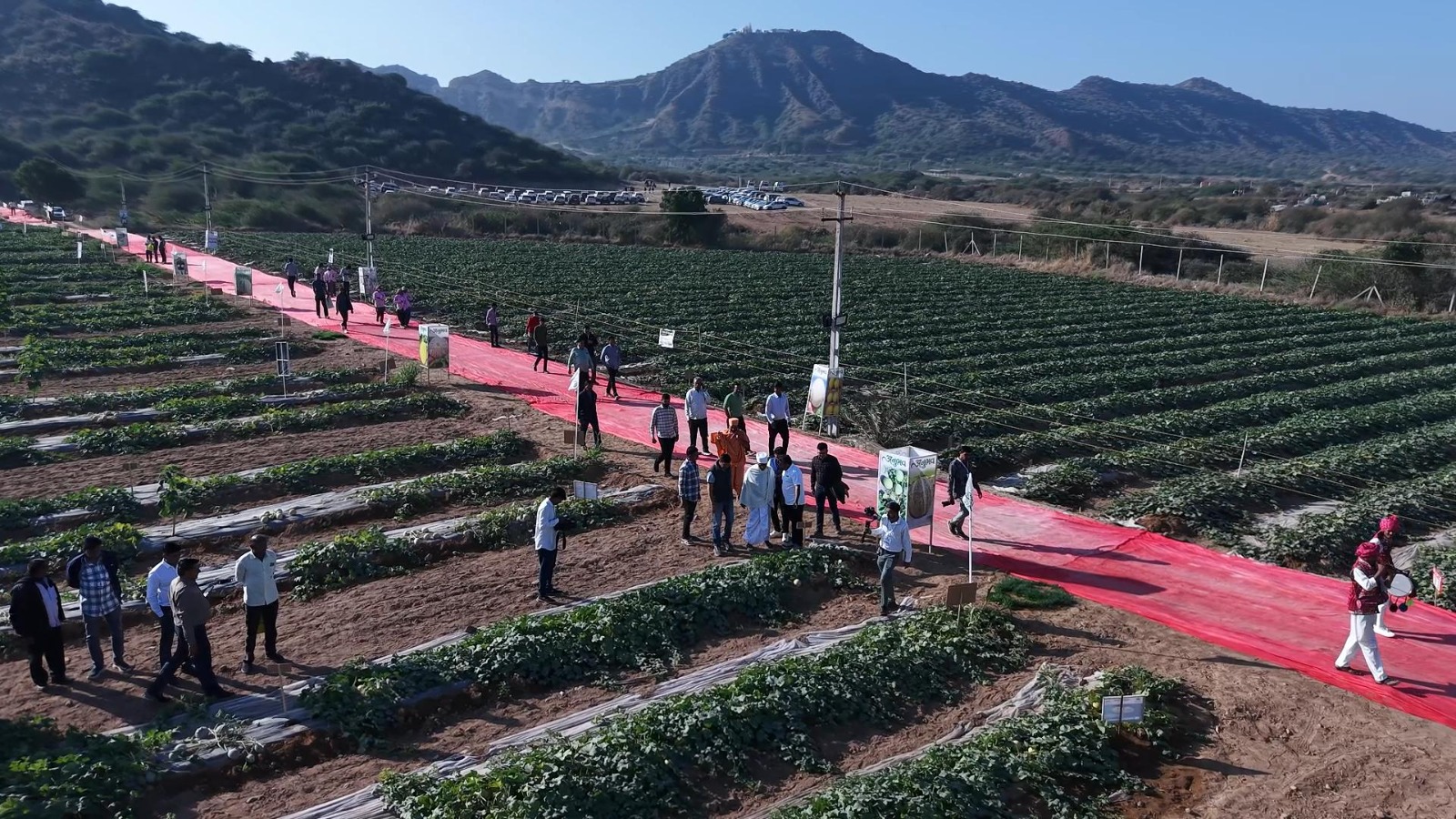
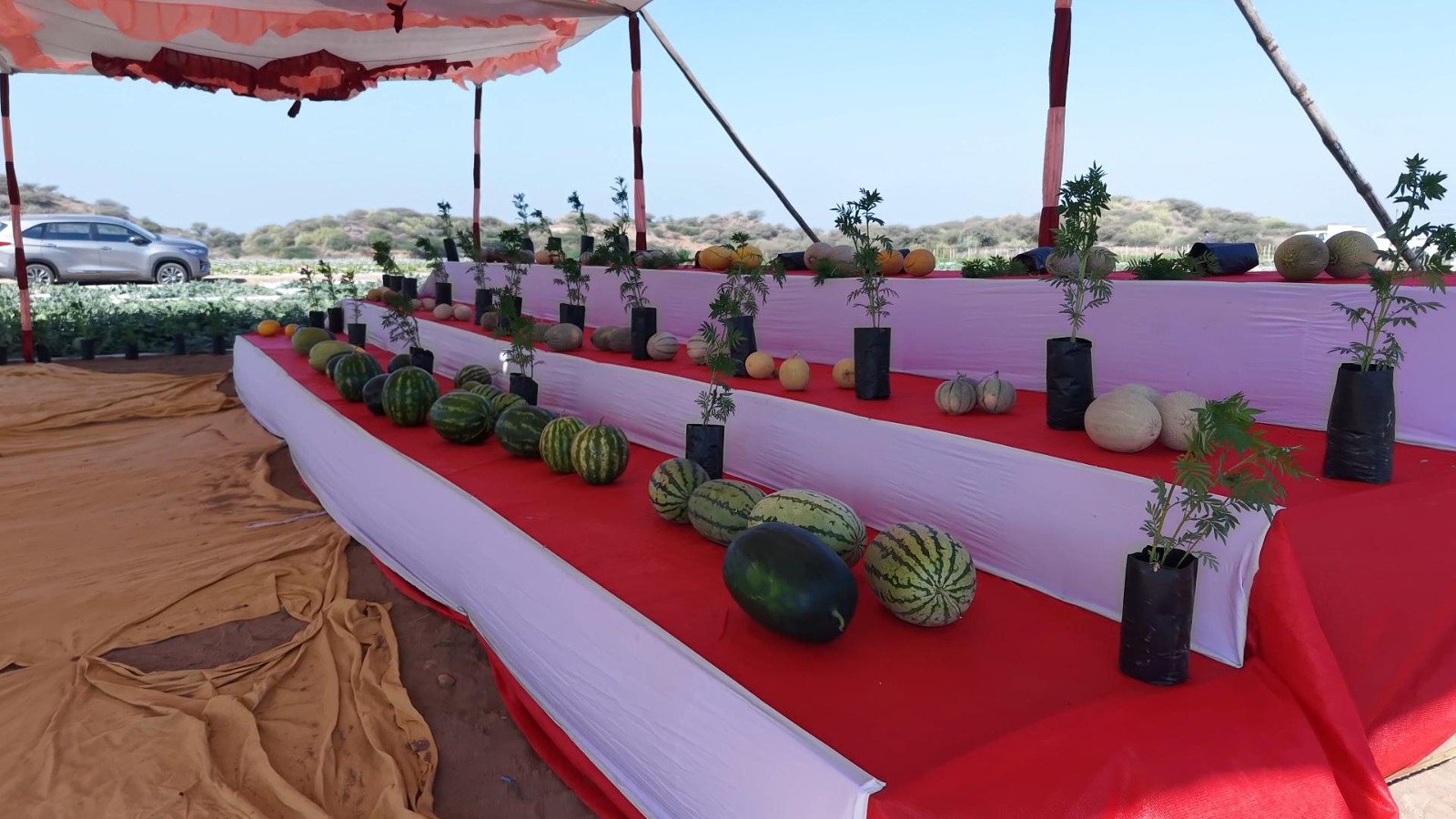
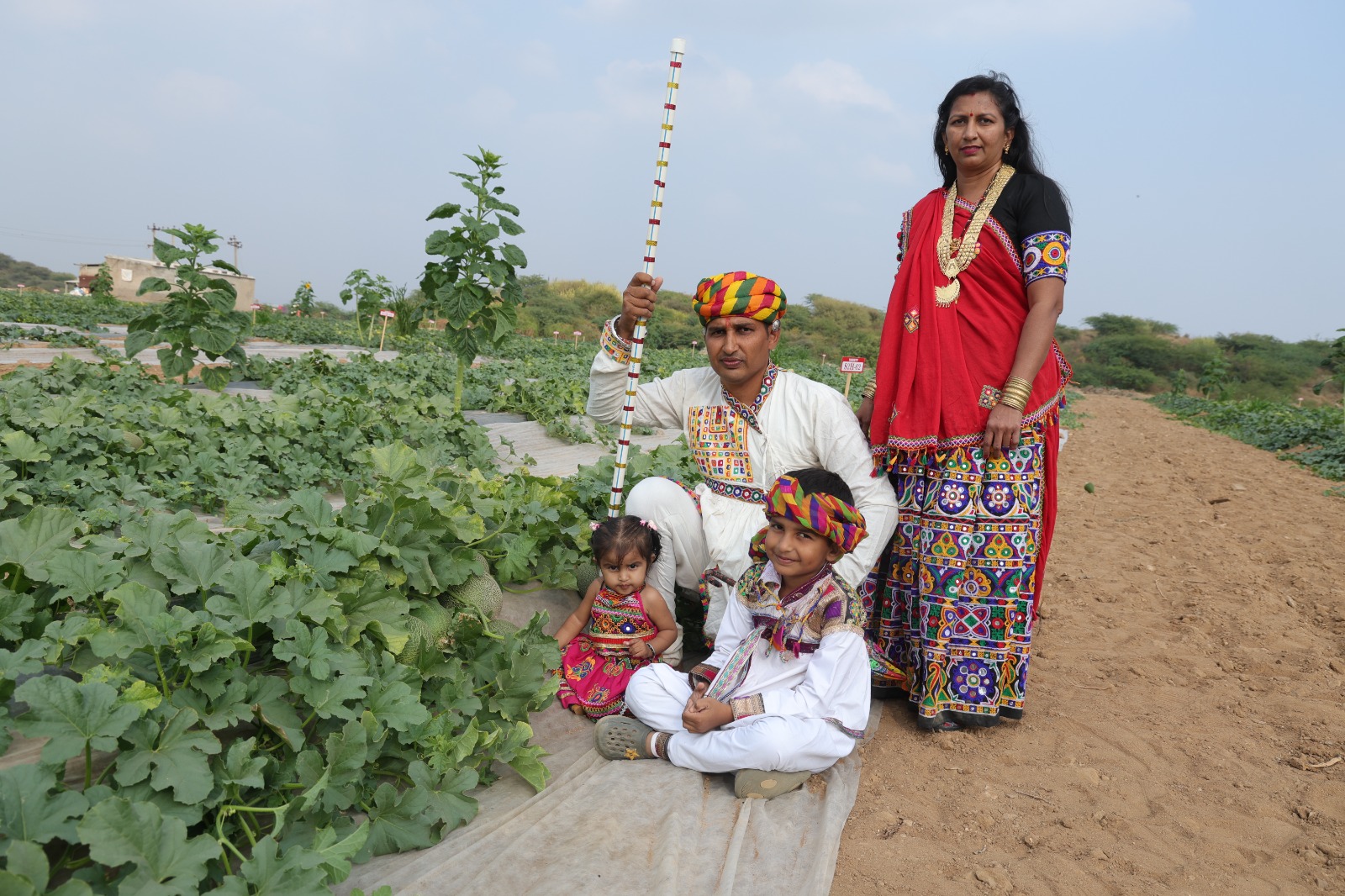
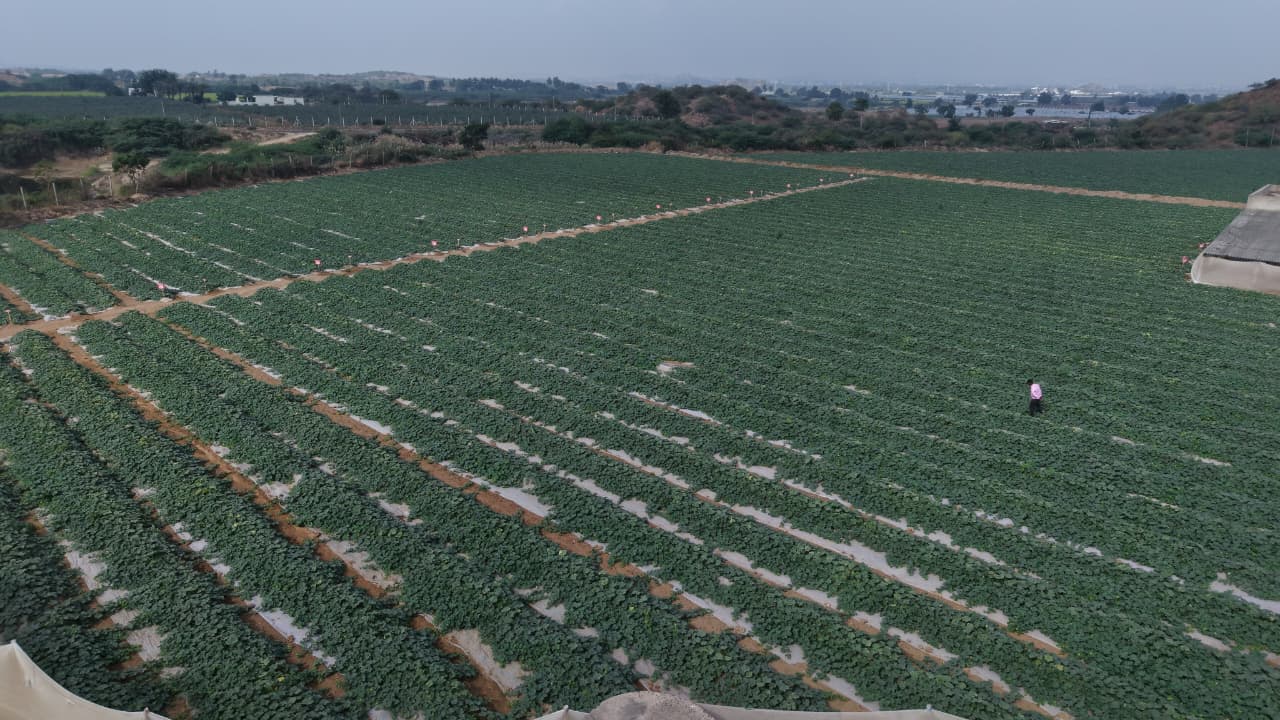
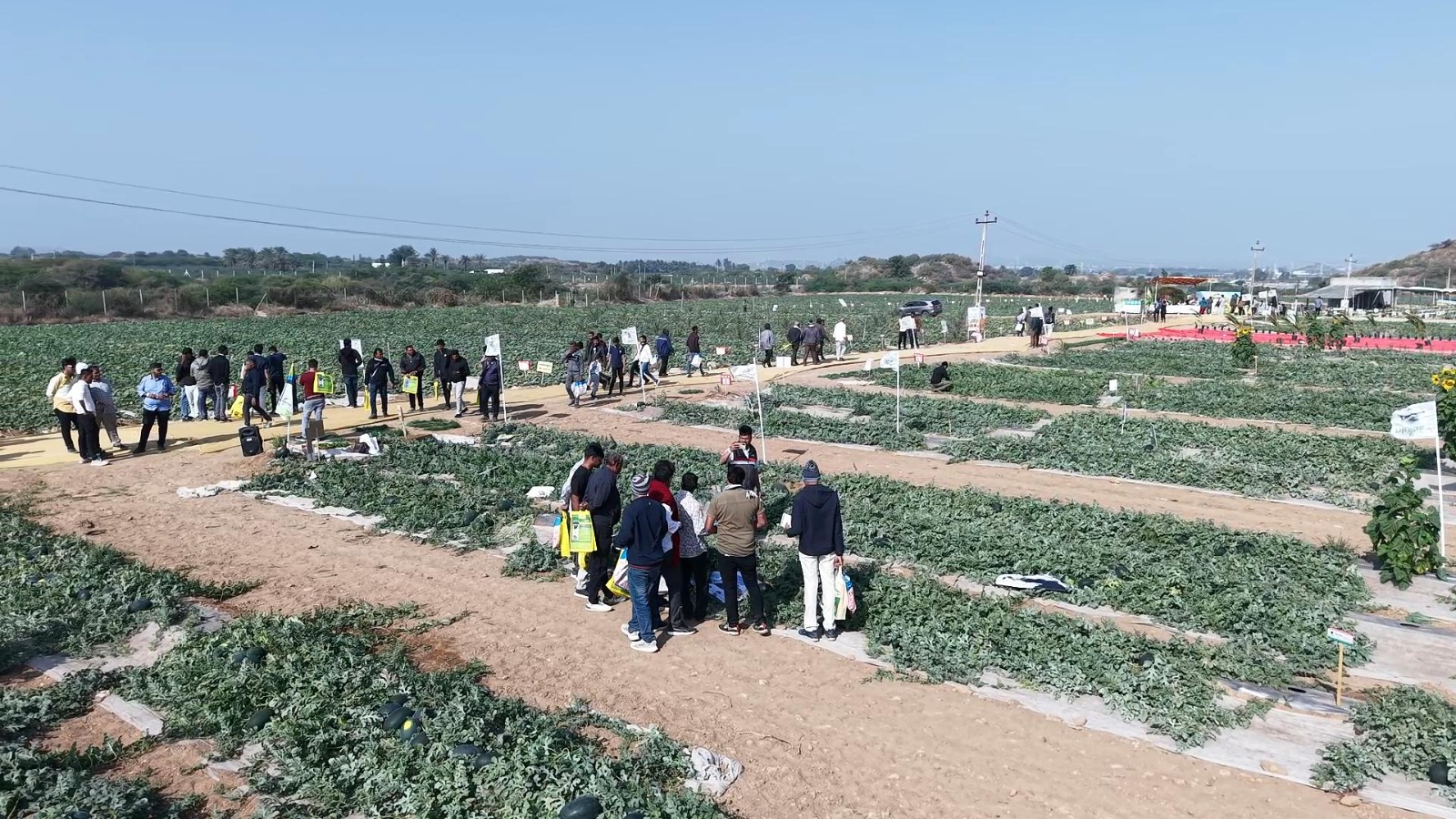
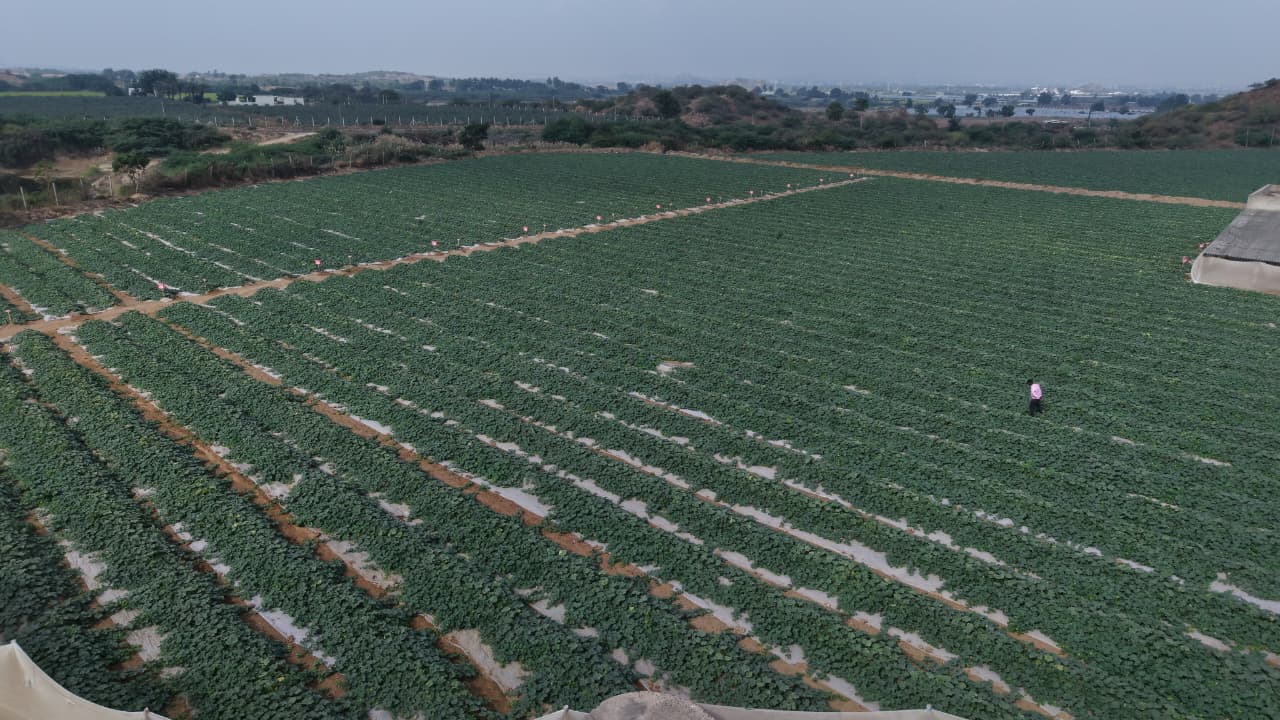
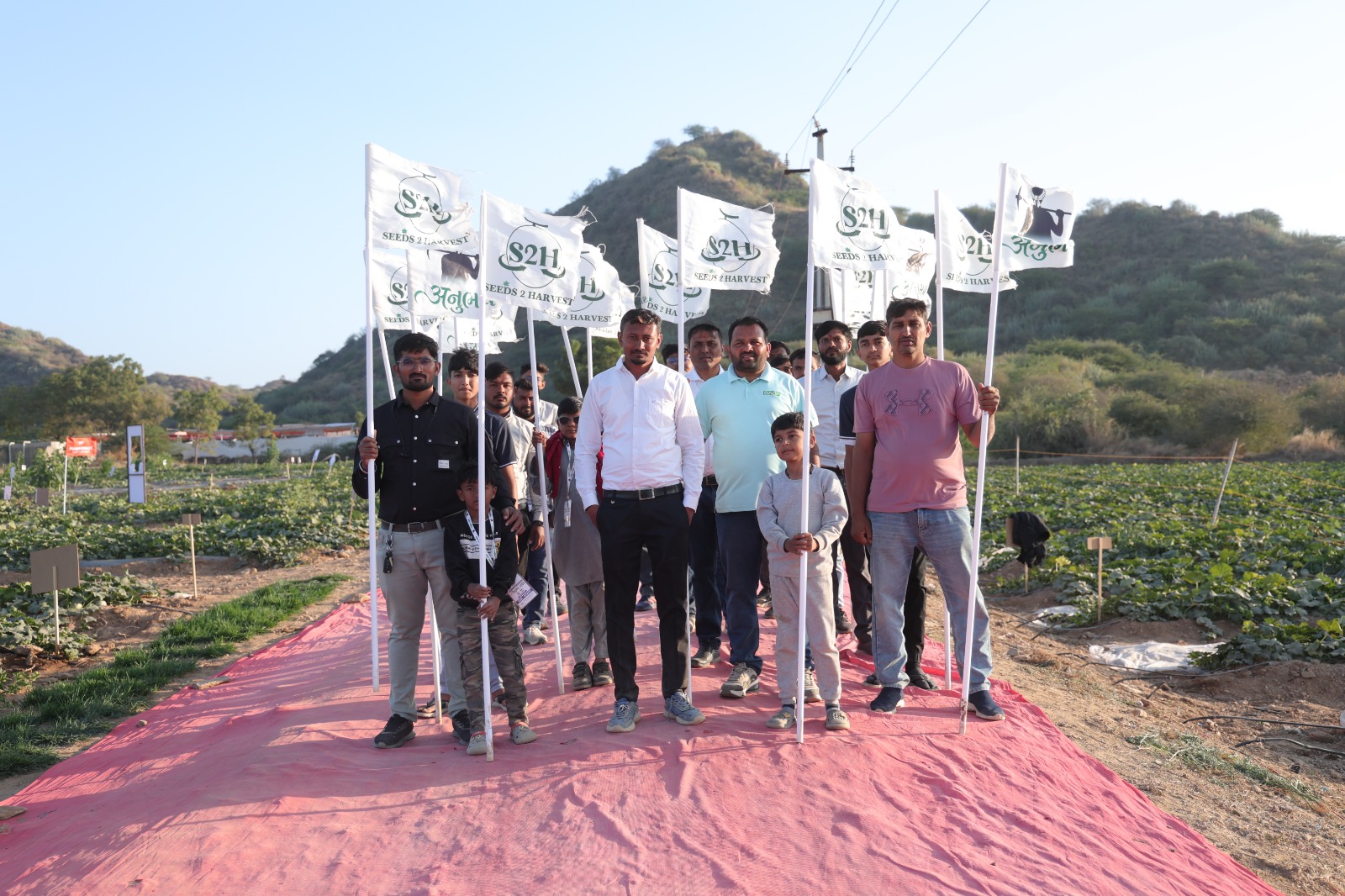
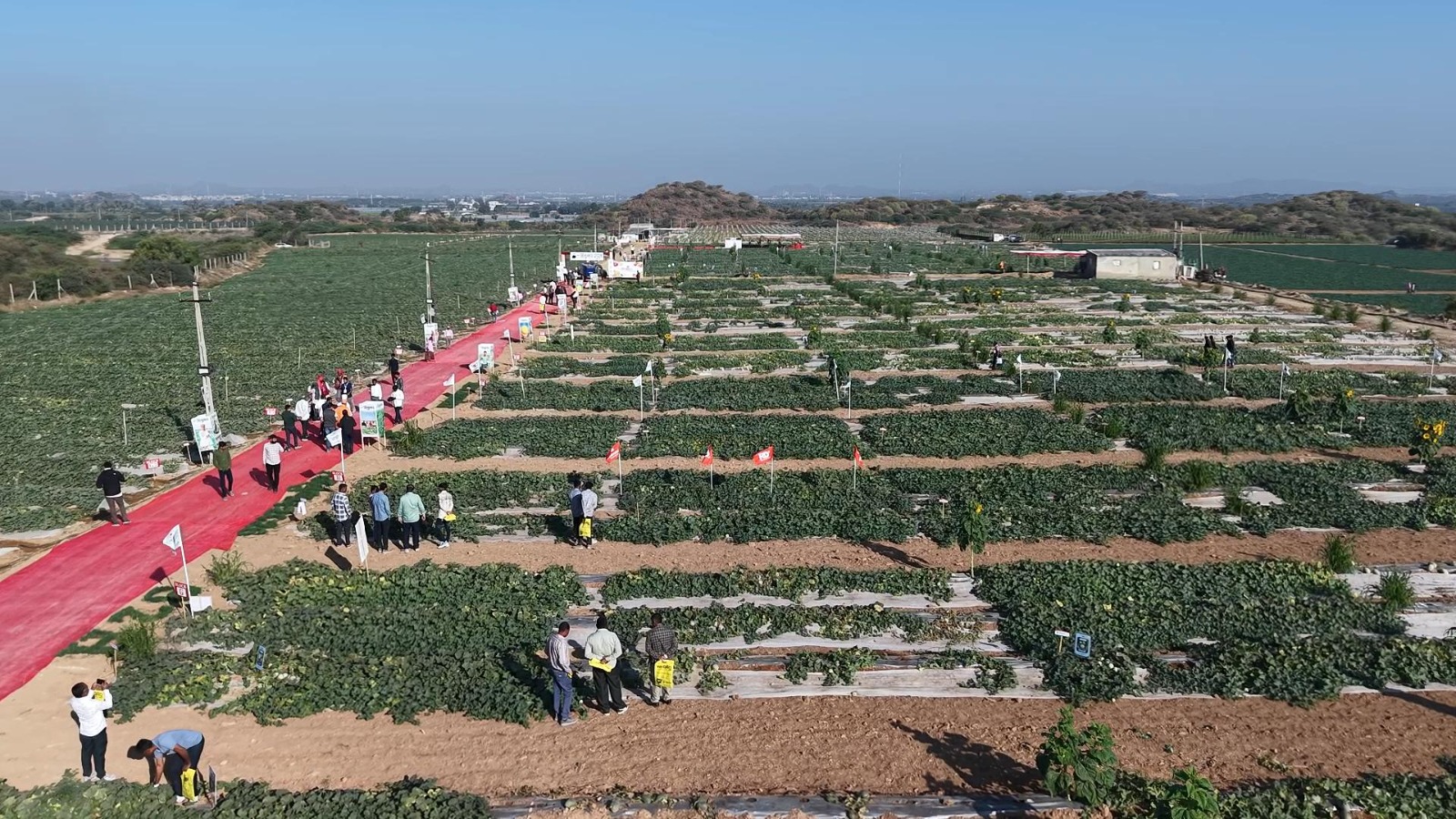
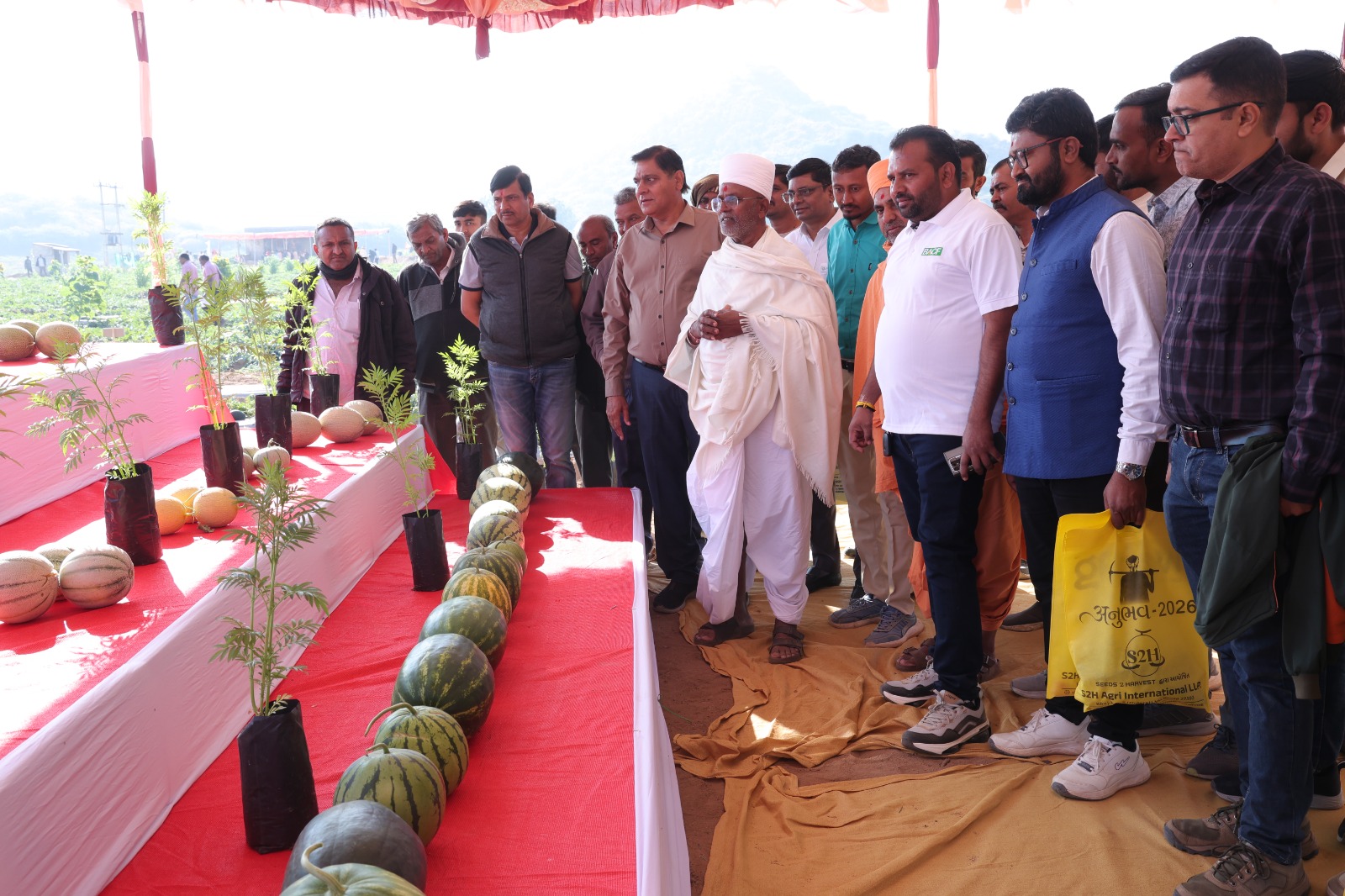
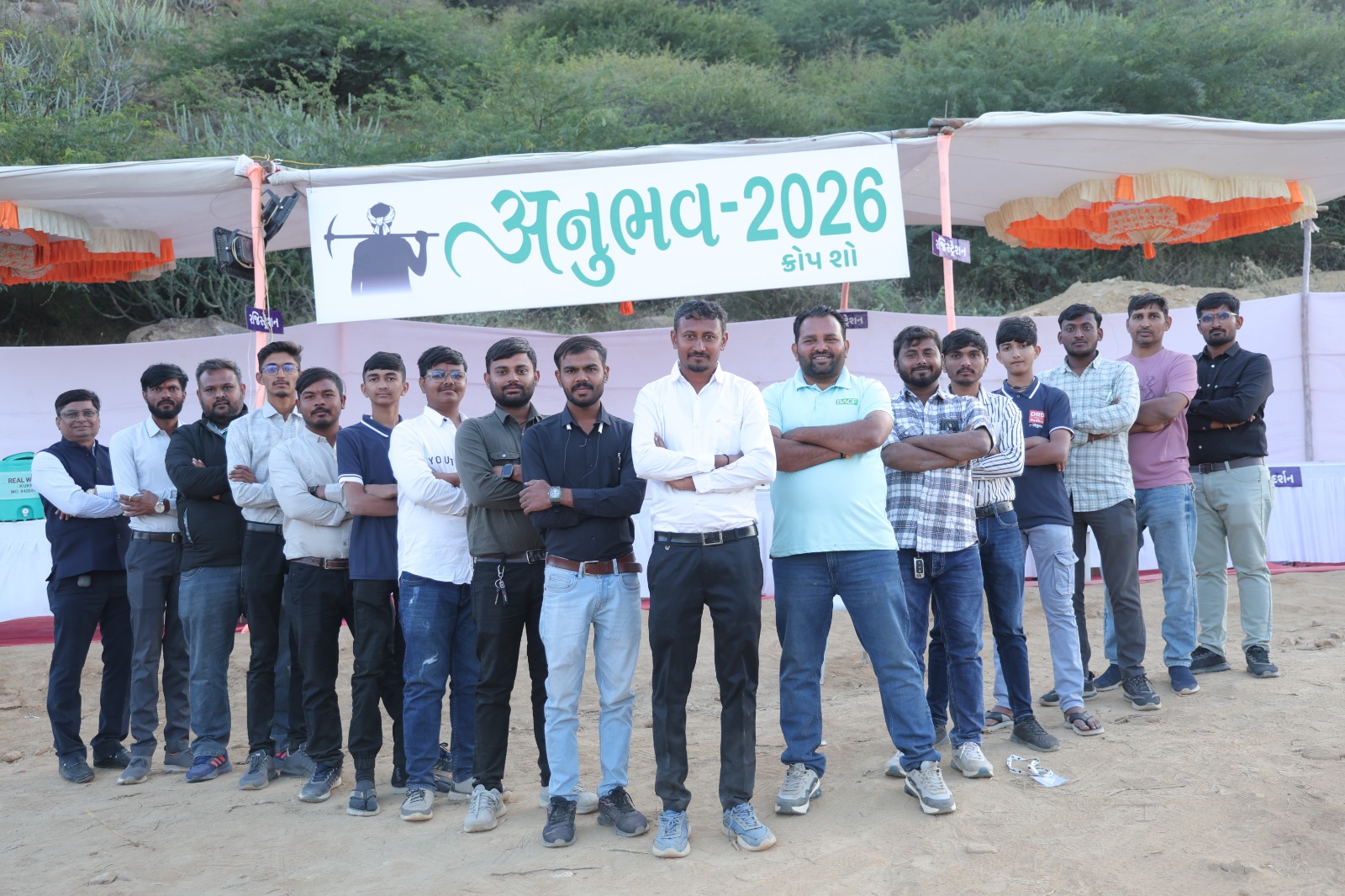
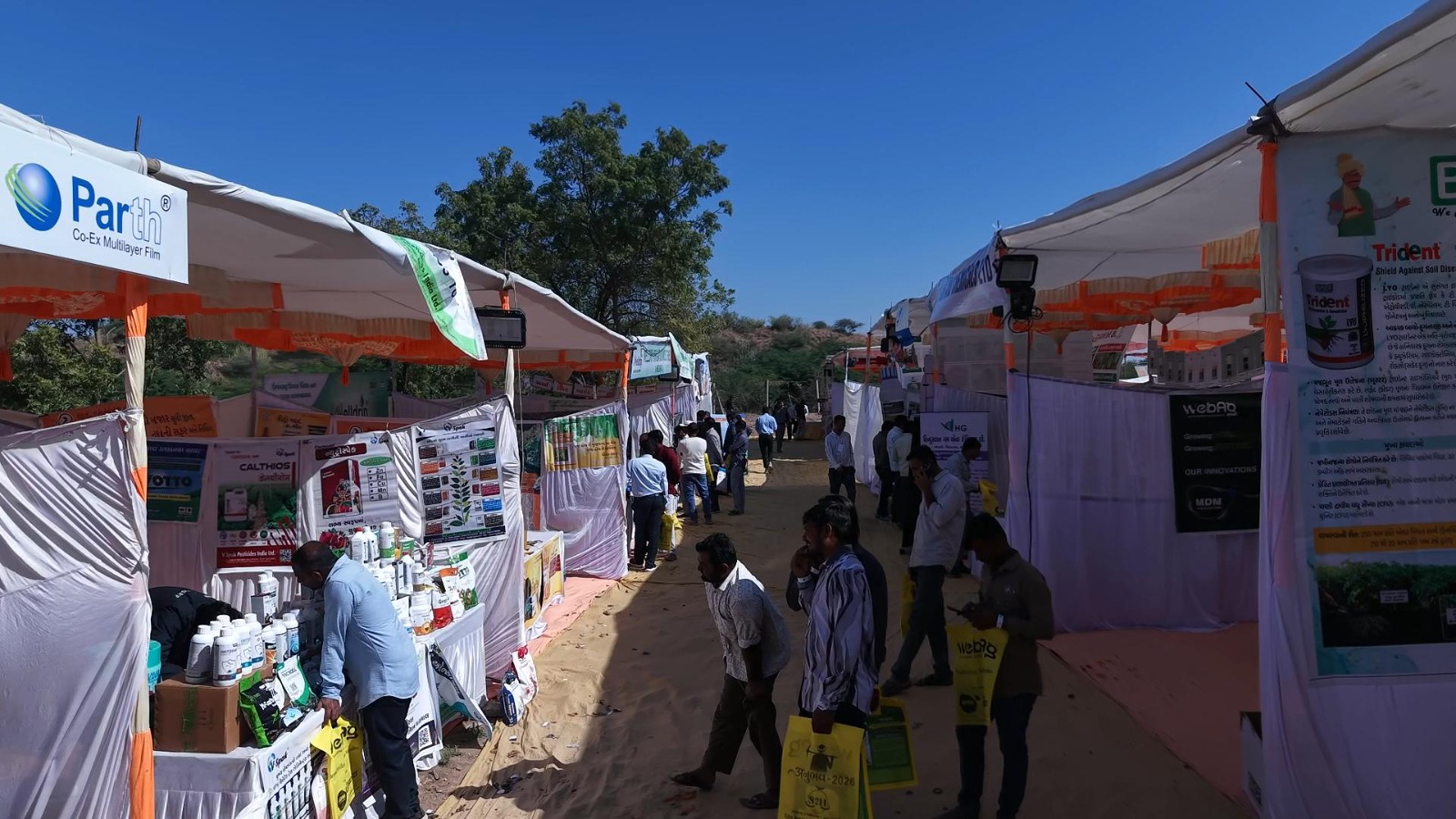
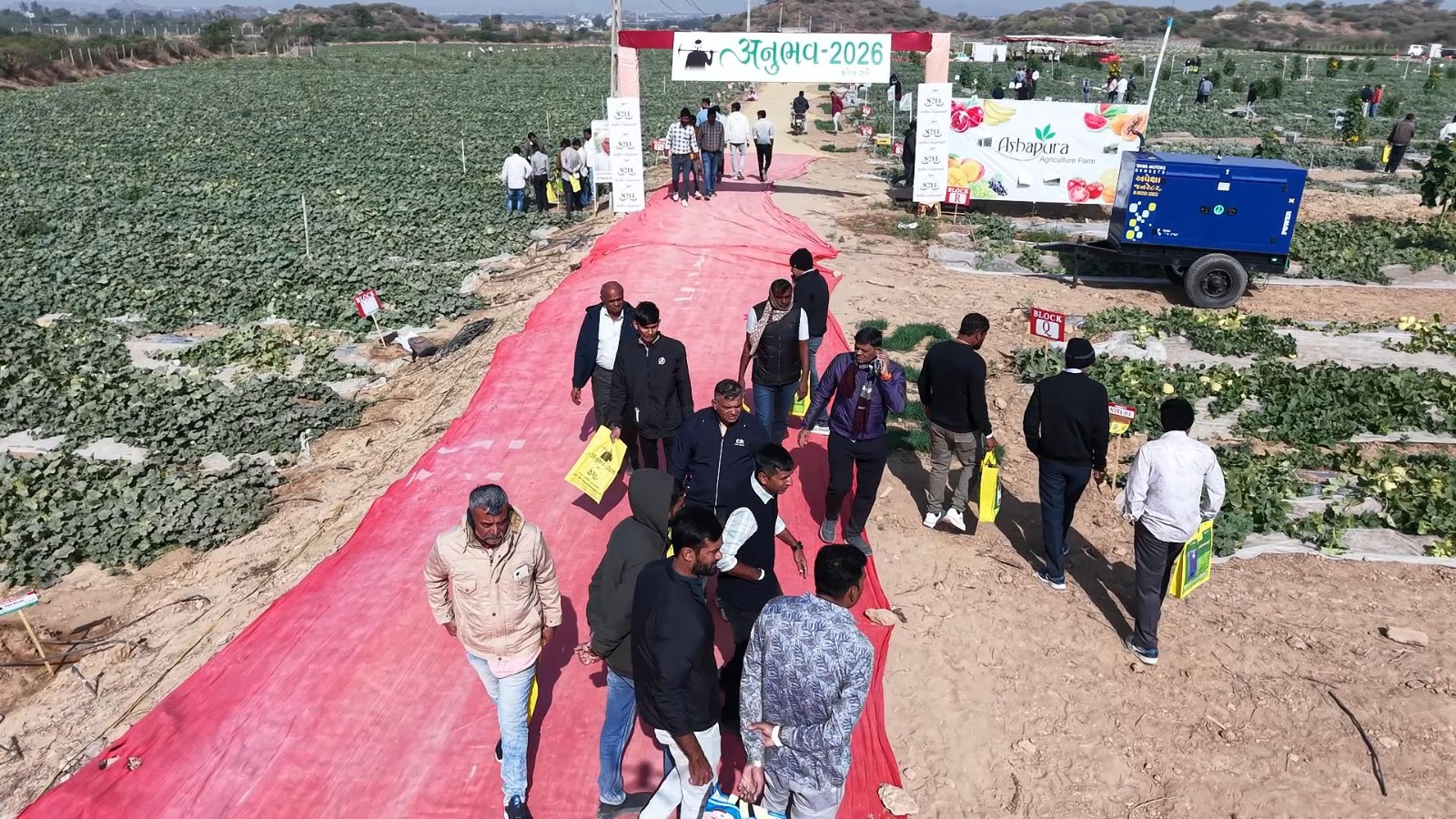
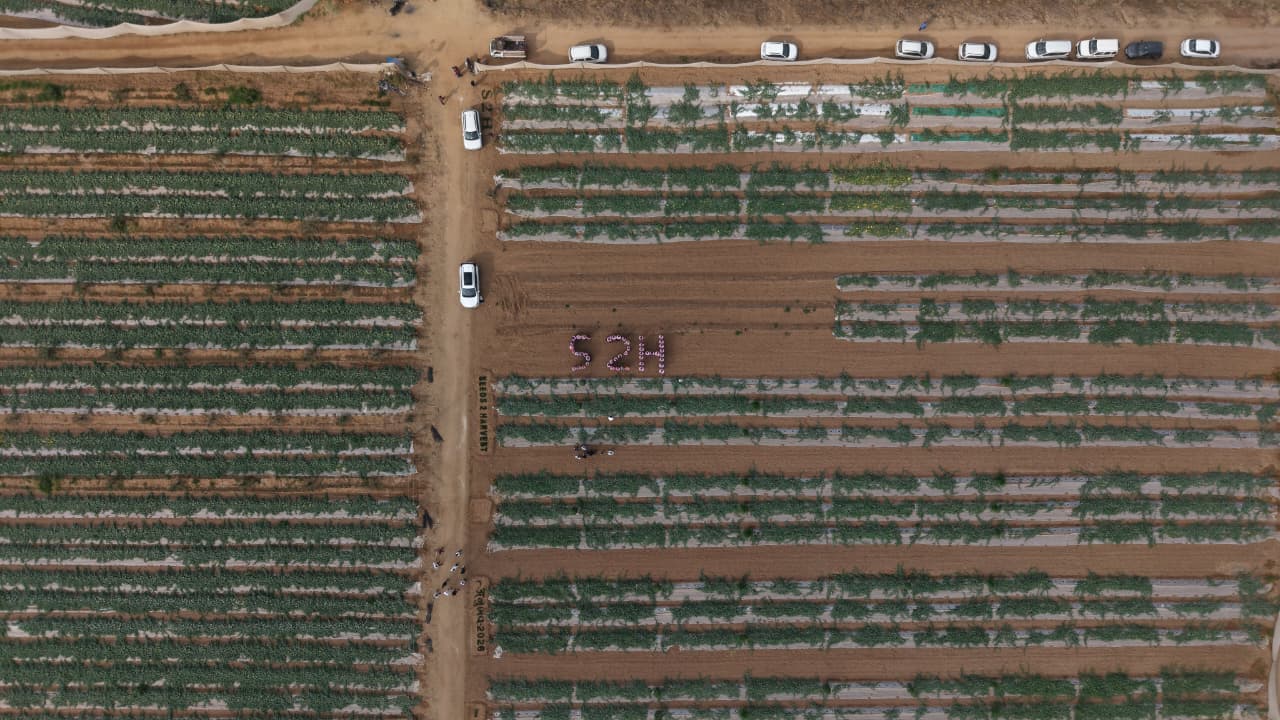
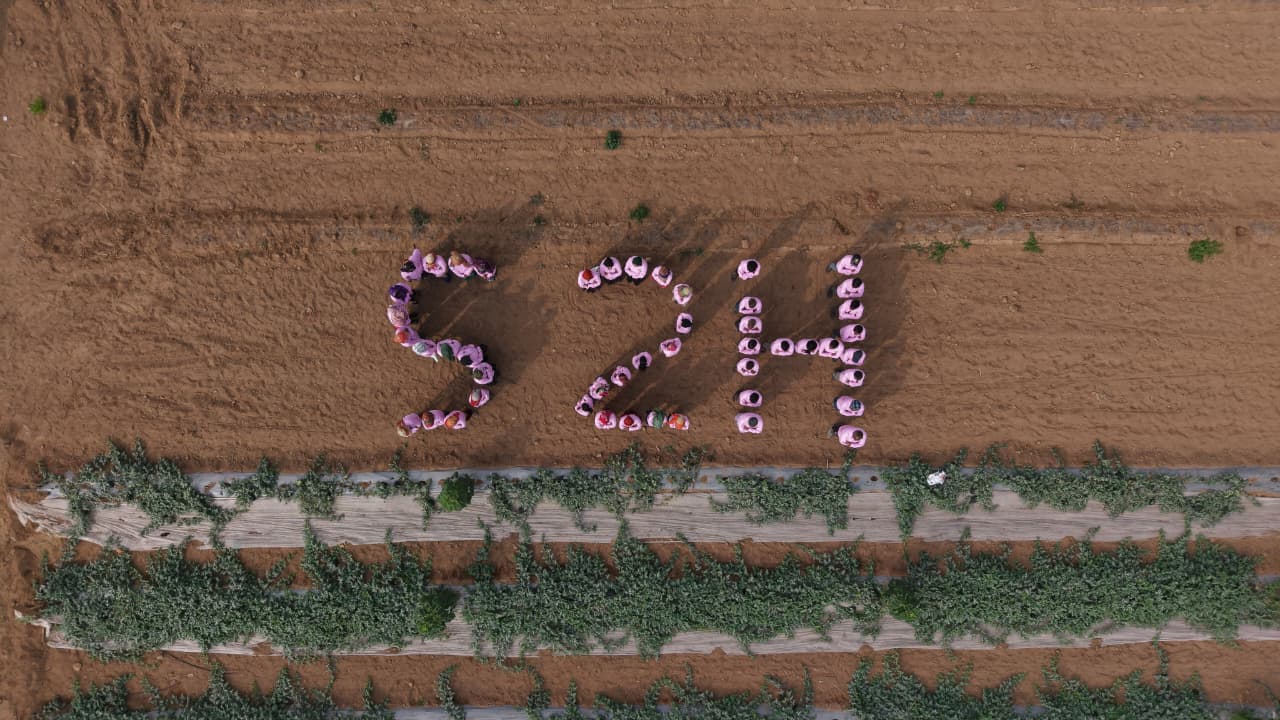
Anubhav 2026 was held at Aashapura Farm in Kukma, Kutch — hosted by farmer Jignesh Bhai Thakkar. For the first time, Anubhav ran three simultaneous trial types on one farm: 120+ Teti (muskmelon) varieties, 100+ Tarbooch (watermelon) varieties, and 70+ pesticide and input trials — all on the same land, at the same time, visible to every visiting farmer.
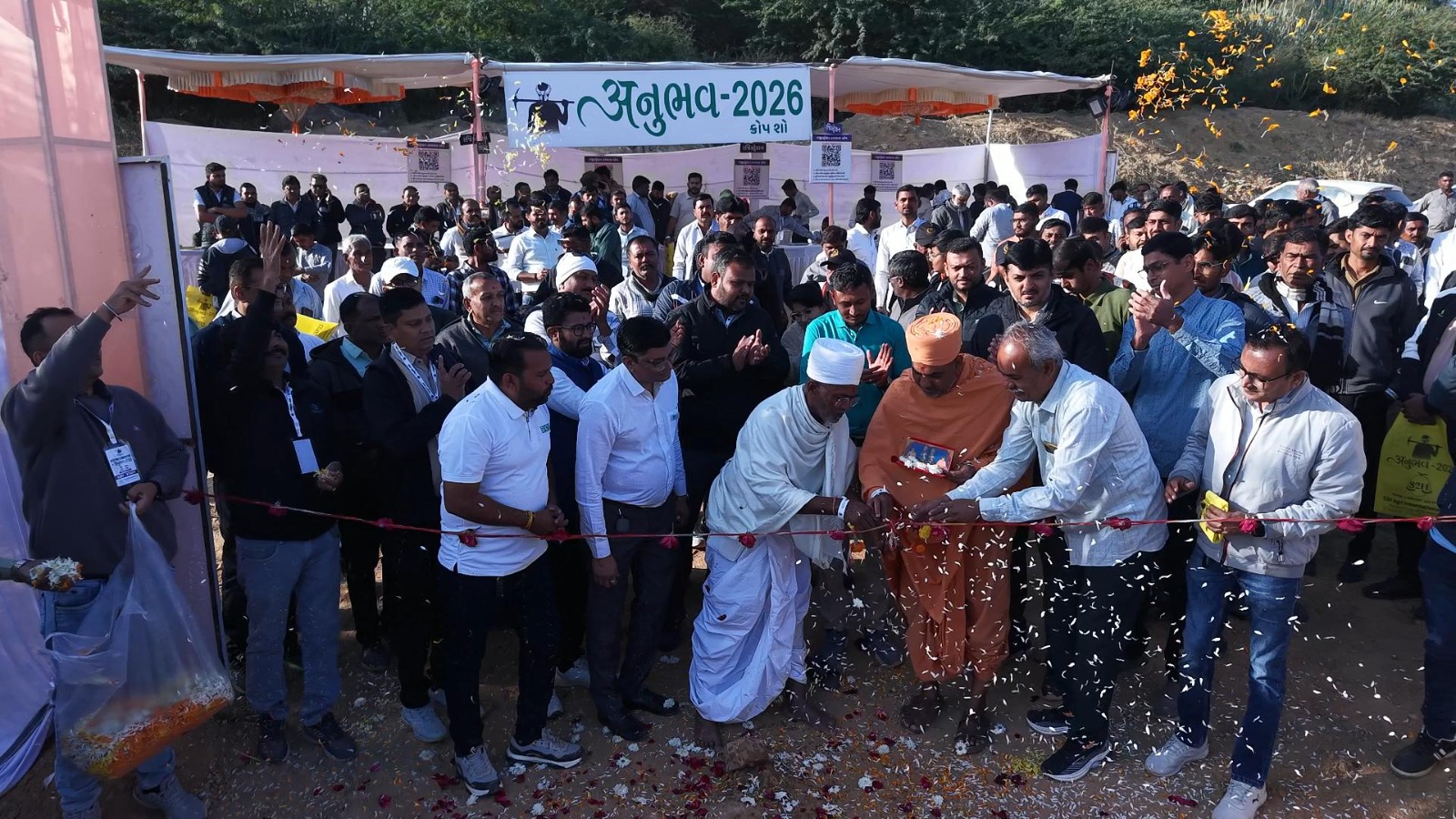
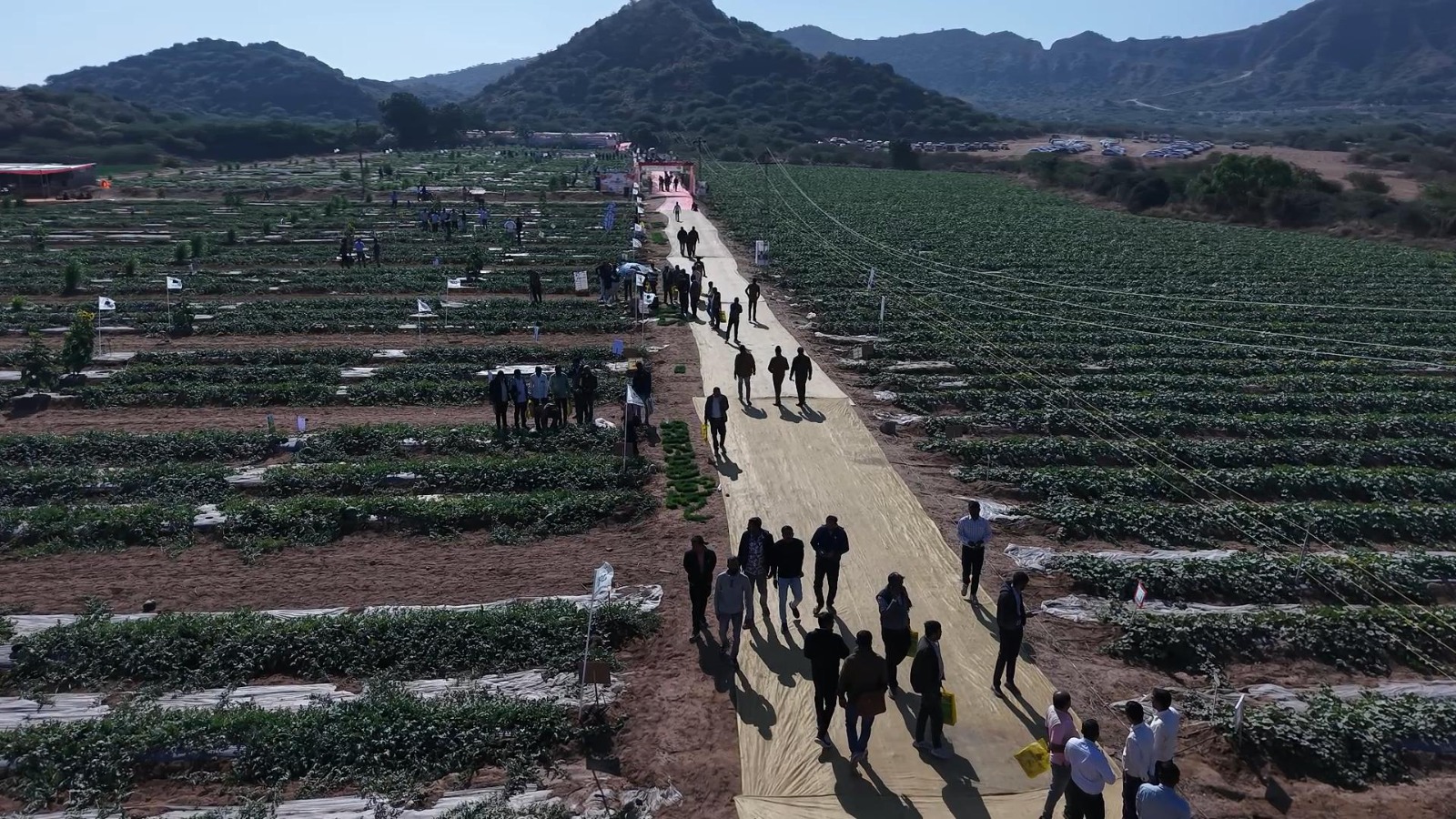
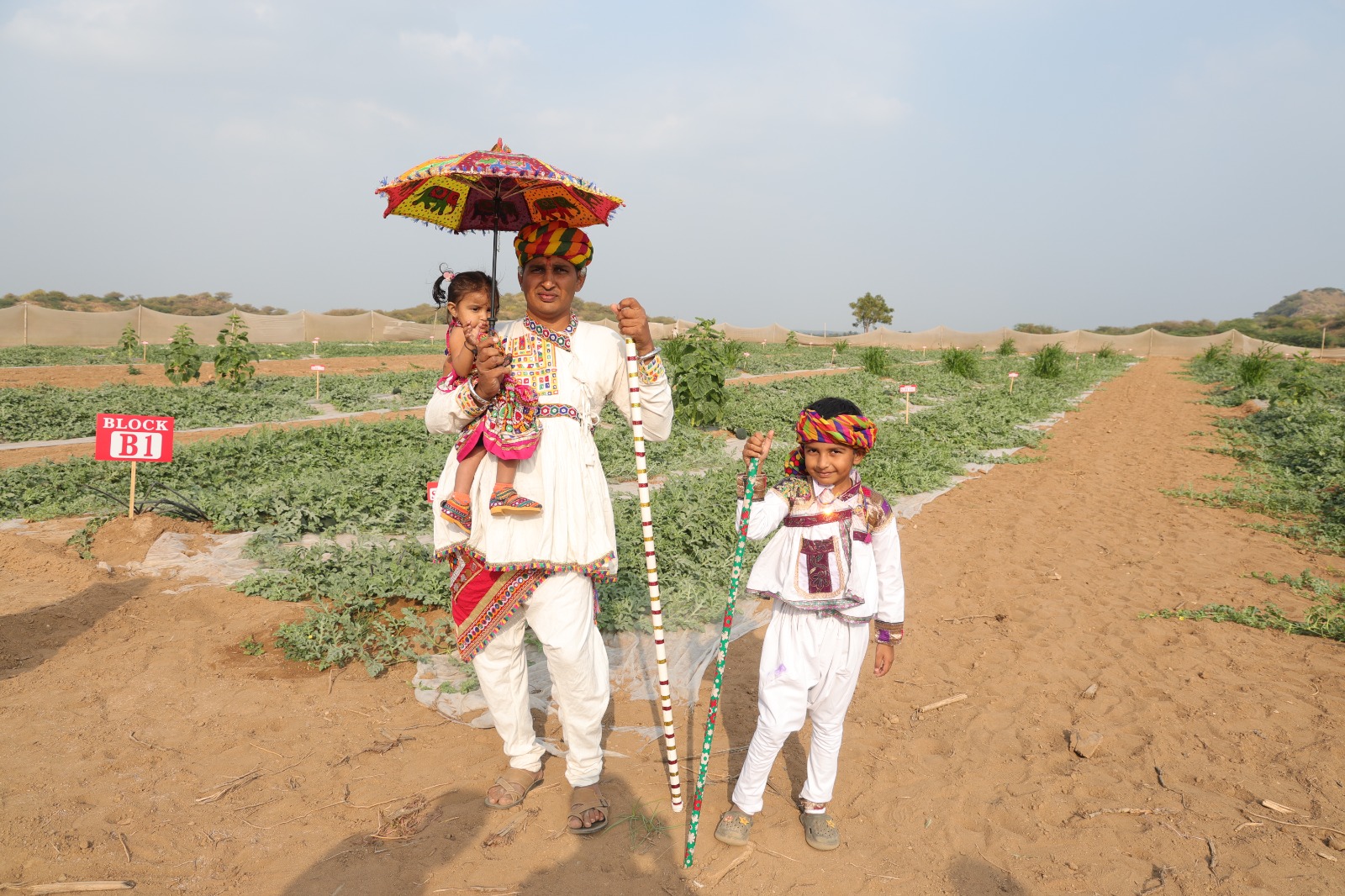
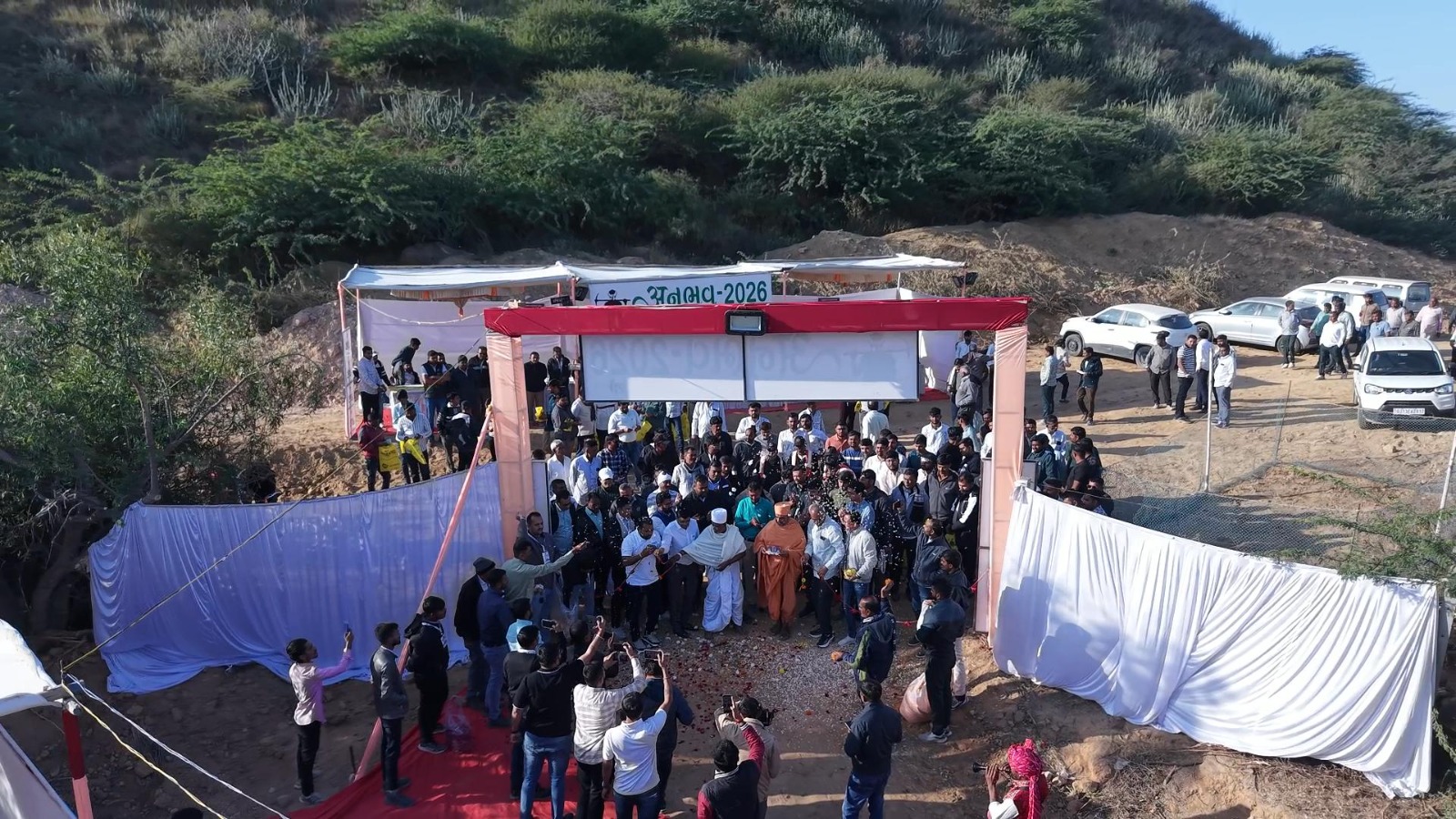
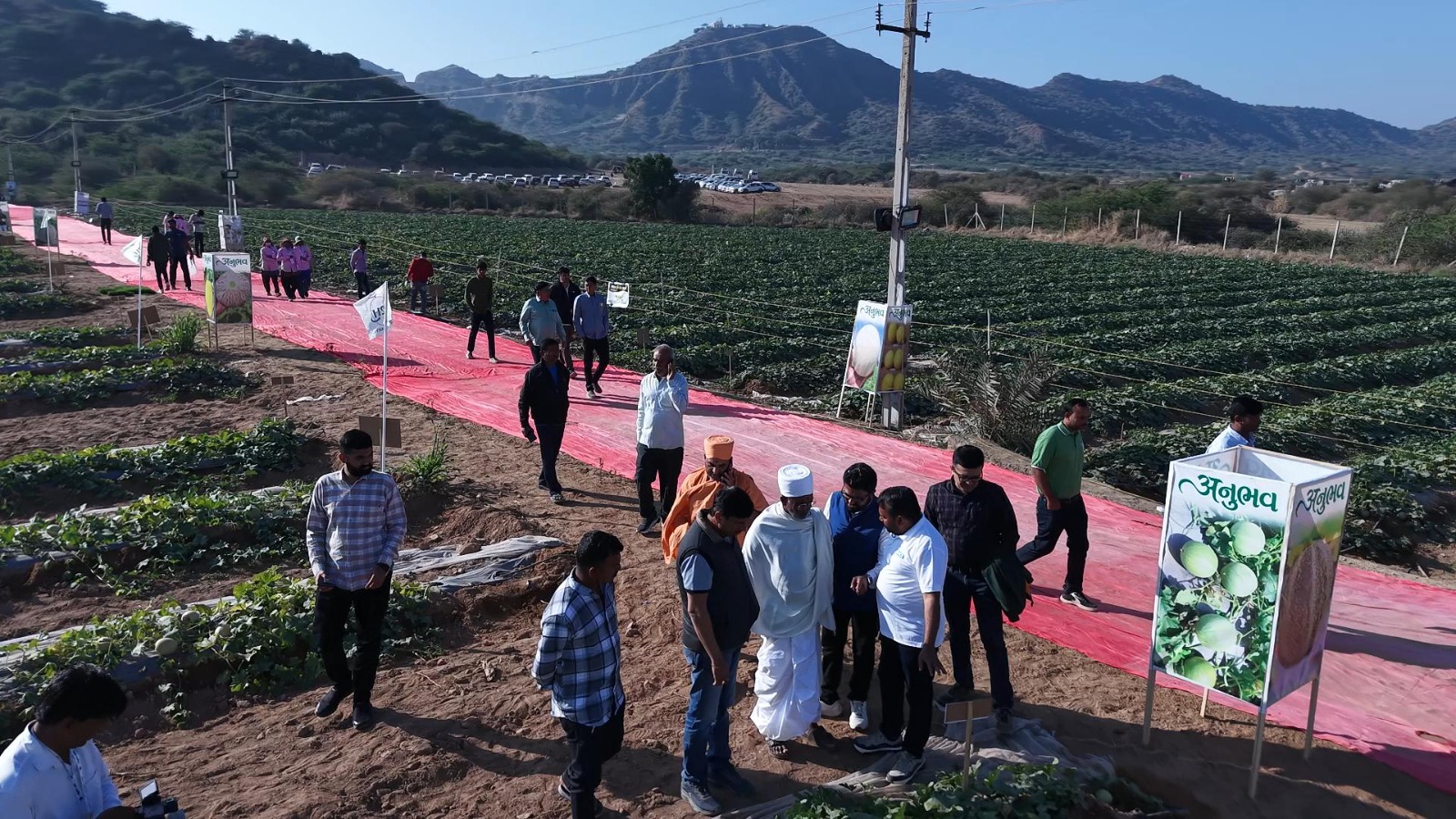
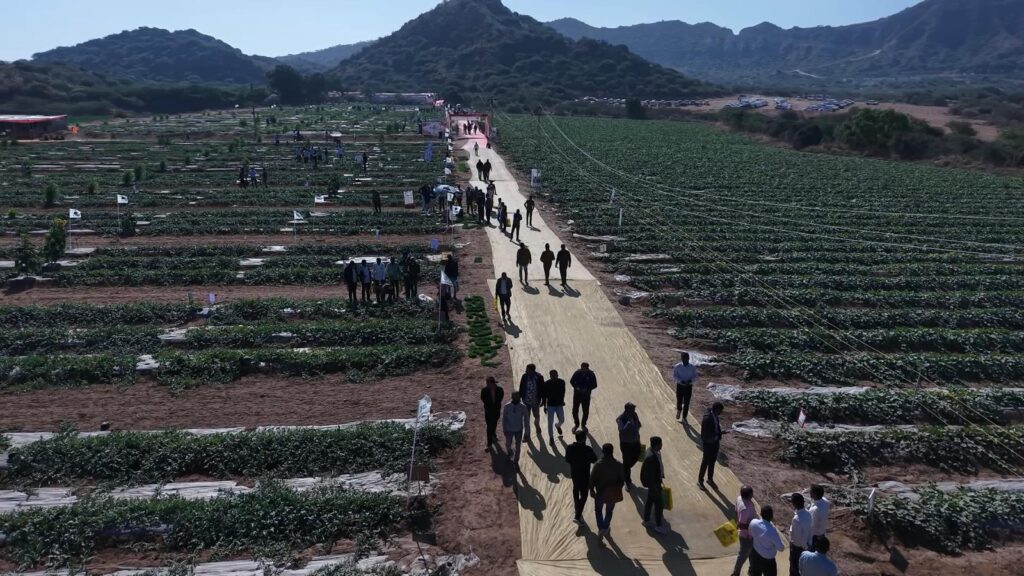
Over 10,000 farmers visited Aashapura Farm during Anubhav 2026 — making it the largest on-farm agricultural demonstration event in Kutch’s history. Farmers came from across Gujarat, some travelling hours, to walk the trial plots and see results with their own eyes.
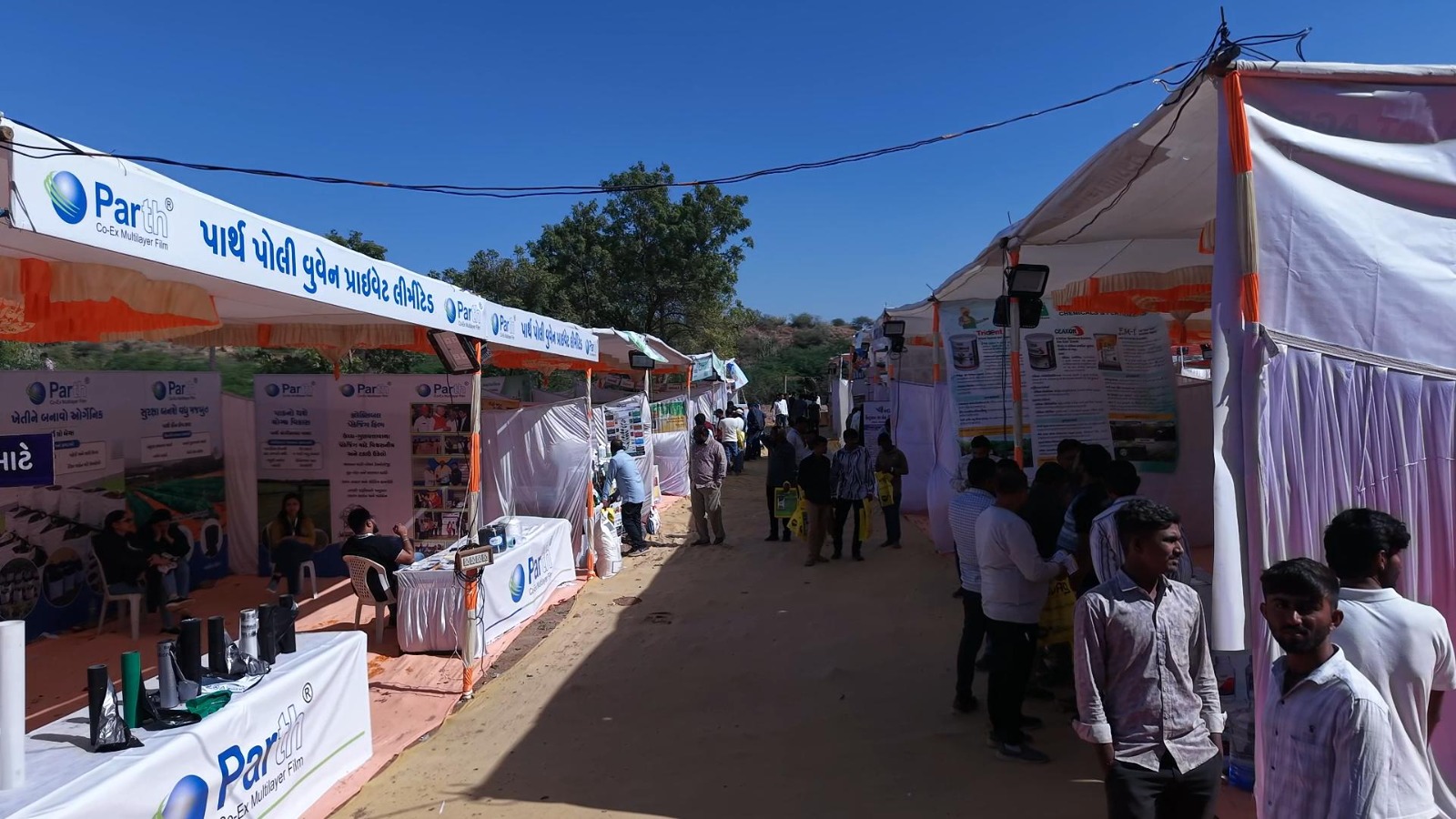
Jignesh Bhai Thakkar’s Aashapura Farm became, for those days, the most important agricultural knowledge centre in Kutch. No registration fee. No exhibition stalls. No promotional agenda — just real crops, real data, and 10,000 farmers making better decisions for their own fields.
Kutch, Gujarat
Aashapura Farm, Kukma
Pesticide & Input trials

Key Takeaways
What made Anubhav 2026 historic
10,000+ farmer visits — a Kutch record
Over ten thousand farmers visited Aashapura Farm during Anubhav 2026 — the highest farmer footfall in any S2H Anubhav event, and possibly in any on-farm demonstration in Kutch history.
Pesticide trials — a first for Anubhav
For the first time, input efficacy trials were added alongside variety trials — giving farmers not just variety selection data but also guidance on which products to use and which to avoid.
Heat resistance is a non-negotiable criterion for Kutch
Varieties that looked promising in company brochures sometimes wilted or cracked under real Kutch summer heat. Only field trials reveal heat resistance — no brochure can tell you.
Farmer-to-farmer learning at scale changes decisions faster than any advisory
10,000 farmers walking the same field — discussing, comparing, debating — generated a depth of knowledge transfer that no app, extension service, or WhatsApp advisory can replicate. The field itself is the best classroom.
The Trial
What farmers could see on the field
Every variety in the trial was grown in its own dedicated plot under identical conditions — same soil preparation, same fertilizer dose, same irrigation schedule. The only variable was the seed.
01
Teti variety selection impacts yield more than any single input
Across 120+ varieties, yield and quality differences far exceeded any fertilizer or pesticide impact. The variety decision made at sowing determines 40–50% of the final outcome — before any input is applied.
02
Watermelon rind quality is the most overlooked market factor
Traders at Kutch mandis consistently discount thin-rind varieties due to transport damage. Rind thickness — not fruit size — is the primary determinant of market grade for long-distance Tarbooch sales.
03
Most pesticide products underperform their on-pack claims on real fields
Fewer than 30% of tested products delivered the disease control outcomes their packaging claimed under real Kutch conditions. Bio-integrated approaches outperformed pure chemical schedules in 6 of 10 trial plots.
Reach Out
Ready to farm with clarity and confidence?
Whether you’re planning a new crop, struggling with an existing one, or simply want an expert eye on your field — S2H is here. Let’s start with a conversation.