The decisions made in the last 2 weeks before and after harvest determine 25–30% of the final income from the same crop. Two farmers with identical fields can walk away with 30% different incomes.
The harvest timing problem: most farmers harvest too early
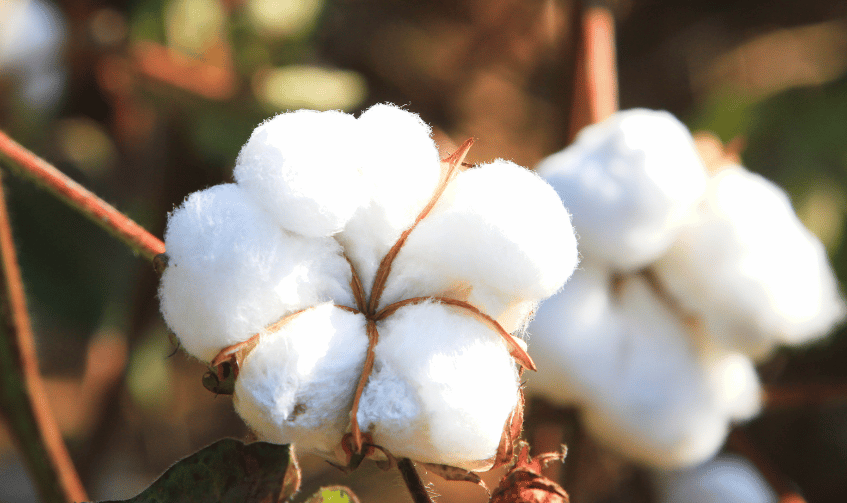
There is intense social pressure to harvest when neighbours start. When mandi prices are high one week, there is urgency to sell immediately. Both lead to premature harvest that permanently reduces yield and quality. In cotton: a boll that has opened 80% is not the same as one that has opened 100%. The lint has lower staple length and micronaire value — a lower grade at the ginnery, and a lower price per quintal. The difference between 80% and 100% opening is 5–7 days. Those 5 days add ₹200–400 per quintal in most seasons.
Farmers who waited for 95%+ boll opening before picking consistently received ₹150–400 more per quintal than those who picked at 70–80% opening — for the same variety, same field, same season.
The moisture content trap
Kapas with moisture above 10% is penalised at every mandi and ginnery in Gujarat. The solution is simple: harvest in the morning (dew increases moisture), spread picked kapas in the sun for 2–3 hours before bagging, and never bag kapas that feels even slightly damp. This zero-cost practice adds 5–8% to effective realisation at the mandi.
Grading and segregation — the income most farmers leave on the table
Very few farmers in Kutch segregate cotton into grades before selling. First-picked bolls often have higher staple length than lower-branch bolls. Mixing them loses the premium from the high-quality portion. In groundnut: bold kernels and shrivelled kernels fetch completely different prices. A simple sorting step before selling — 2–3 hours per quintal — can add ₹500–800 per quintal on the bold portion.
When to sell — the timing most farmers get wrong
Mandi prices for cotton and groundnut typically follow a predictable pattern: depressed immediately after harvest (when supply is highest) and recovering 4–8 weeks later. Farmers who can hold their crop for 4–6 weeks after harvest consistently realise 8–15% better prices in most years. The cost of storage is minimal compared to the price recovery.
Growing the crop is farming. Selling it well is business. S2H’s consultancy does not end at harvest — we help farmers think through the selling decision with the same rigour as the sowing decision.
A pre-harvest checklist
- Check boll opening percentage before starting first pick — target 90%+, never below 80%.
- Stop irrigation 3–4 weeks before expected harvest to allow natural dry-down.
- Check moisture of kapas before bagging — it should crackle slightly when compressed.
- Segregate first, second, and third pick separately and sell separately.
- Check mandi arrival data — if this week’s supply is at seasonal peak, wait 2 weeks if storage allows.
- Contact S2H on 7016735155 to review your crop grade and selling options before committing to a buyer.